


Sports Card Value Identifier
4.5459.00 Reviews
App Specs
- Version
- 2.2
- Updated On
- License
- Free
- Downloads
- 100,000+
- Developer
- Identifier Studio
- Categories
- Sports
- Platform
- Android
Screenshots


 Analysis by AppCompare
I’d treat a card scanner as a quick way to narrow down what I’m looking at, not as a final authority on what a card will sell for. That distinction matters especially when a familiar player, an unusual design, or a card that looks old makes me wonder whether I’ve found something valuable. Sports Card Value Identifier is aimed at that first useful step: identifying a sports card and getting details, a price estimate, and rarity information without starting with a long manual search.
That makes it most appealing when I have a small stack to check, a card someone has handed me, or a collection I’m only beginning to understand. I would not use any scan result alone to decide a high-stakes sale. Condition, exact edition, and the price a real buyer is willing to pay can all change the picture, so the app works best as a guide for what to investigate next.
What I’d expect from a first scan
The app is a free sports app from Identifier Studio, and its focus is narrow in a useful way: point it toward a card and use the result to get oriented. Its store page describes scanning for card details, pricing, and rarity, which is a practical combination for someone who may not yet know the set or terminology. The app is rated for Everyone, so it can suit a family collection or a younger collector exploring cards with an adult.
It has a 4.5 average from around 7,300 ratings, with more than 100,000 installs. Those figures suggest it has found an audience, but they don’t tell me whether a particular card will scan cleanly or whether an estimate matches a local sale. I’d still check a result against the card itself and current listings before making a buying or selling decision.
Getting ready before you scan
I’d begin with one card rather than tipping an entire binder onto the table. Put it on a plain, well-lit surface, keep the card flat, and make sure the edges and printed details are visible in the photo. That small bit of preparation makes the first attempt easier to judge: if the app gives an unexpected result, I can retake the image before assuming the card is rare or that the identification is wrong.
For cards in sleeves, glare can be the enemy. I’d shift the light or angle the phone instead of removing a card from a protective sleeve just to get a scan. A collector should not risk damaging a card for a quick lookup. If the result seems close but not exact, compare the name, team, season, and design details on the card before relying on the displayed price.
Turning a result into a useful next step
A meaningful first win is not necessarily discovering a valuable card. It can be identifying an unfamiliar card well enough to sort it into the right group, understand what details matter, and decide whether it deserves more research. I’d use the scanner to make a shortlist: cards with a result worth checking further go in one pile, and common-looking cards can be organized without spending the same time on every item.
Worth Reading Before You Choose

Flipboard Shows What News Apps Must Do Beyond the Feed

Switching to Android Auto Means Rethinking Your Driving Routine

Google Calendar Makes a Crowded Week Easier to Manage

Ludo King Makes the Most of the Minutes Between Plans

Baby Panda World Brings Quick Play to Modern Phones, but Its Game Library Feels Busy

ESPN’s Live Game View Makes Following Close Games Easier
The app is on version 1.9 and requires iOS 11 or later. It is free to download, with in-app purchases listed from $4.99 to $49.99 per item, so I’d check the purchase details before confirming anything. A first-time user can start with the basic purpose of the app and decide later whether any paid option is worthwhile for their own collecting habits.
The Basics of the App
When I first opened the Sports Card Value Identifier, I was greeted with a sleek, user-friendly interface. It’s pretty intuitive, which means you don't have to be a tech whiz or a card expert to navigate through it. The app’s main function is to help you determine the value of your sports cards with just a few taps. Intriguing, right?
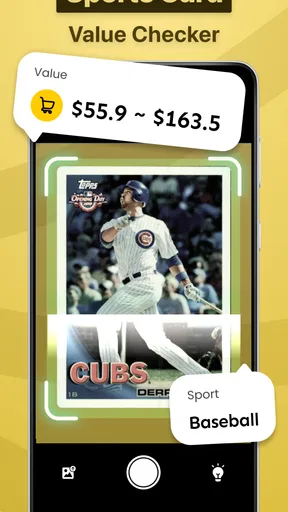
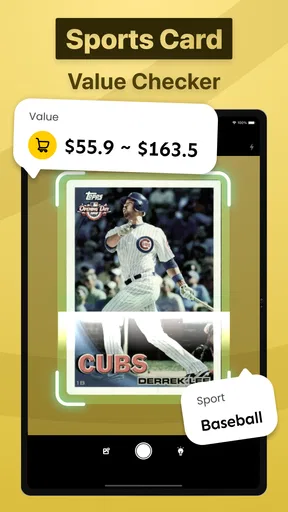
The app supports a wide variety of sports cards, from baseball to soccer and everything in between. This is a major plus if your collection spans multiple sports. You just snap a photo of your card, and the app does its magic, analyzing and providing you with an estimated value based on current market trends.
Scanning and Analyzing
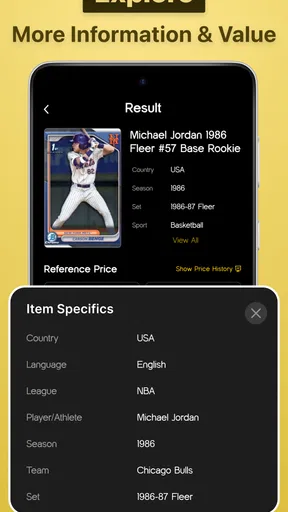
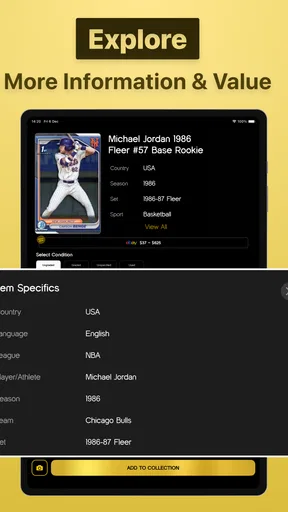
So, how does the scanning feature work, you ask? It’s as simple as taking a picture. I tried it with a couple of my old baseball cards, and within seconds, the app scanned and identified them. It even pulled up detailed information about each card, which was a nice touch. The accuracy was impressive, and the speed was quicker than I expected.
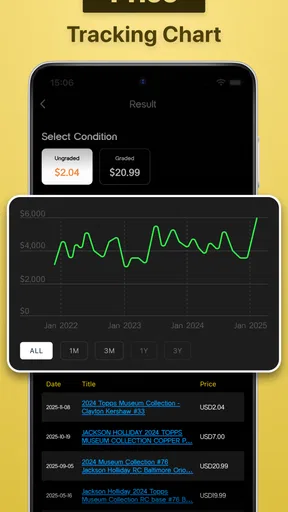
One thing I loved was how the app offers a history of price changes for each card. It’s like having a mini stock market for sports cards in your pocket. You can see how the value has fluctuated over time, which is super handy if you're looking to sell or trade.
Community and Trading Features
Beyond just valuing your cards, the app has a community feature that lets you connect with fellow collectors. It’s like a social network for card enthusiasts. You can chat, trade, and even sell cards directly through the app. This feature is a game-changer for those looking to expand their collections or get rid of duplicates.
The trading platform is straightforward. You can list your cards for trade or sale, and browse through others' listings. The app provides a secure environment for transactions, which eased my initial concerns about dealing with strangers online.
Learning and Resources
One of the hidden gems within the app is its resource library. Whether you're a newbie or a seasoned collector, the library has something for you. It’s packed with articles, videos, and tutorials on everything from card grading to market trends. I found this section incredibly informative, and it’s a great way to stay updated on the latest in the card-collecting world.
There’s also a handy glossary of terms. If you've ever been confused by the jargon thrown around in the card community, you'll appreciate this feature. It’s like having a card-collecting dictionary at your fingertips.
Putting the estimate in context
A price estimate is a starting point for research, not a promise that the card will sell for that amount. When I’m checking a card, I’d first make sure the identification matches the exact version in my hand. Similar-looking cards can differ by season, set, printing, or condition, and a mismatch can make even a neat-looking estimate misleading. If I’m preparing to sell, I’d compare the result with recent completed sales where possible rather than relying only on asking prices, which may reflect what sellers hope to get rather than what buyers paid.
Condition is another reason to be cautious. A scan can help identify a card, but a photo-based lookup is not the same thing as a professional grade or an in-person inspection. Corners, surface wear, centering, and creases matter to collectors. I’d use the app to spot candidates for closer attention, then inspect those cards under good light and keep them protected while deciding what to do.
A practical routine for sorting a collection
For a realistic home use, imagine finding a shoebox of cards while clearing a closet before a move. I’d scan a handful at a time, note which identifications seem clear, and separate any potentially interesting results for a slower second pass. That is more useful than scanning everything in a rush and treating every displayed number as settled value. It also helps avoid mixing up cards when several have similar players or designs.
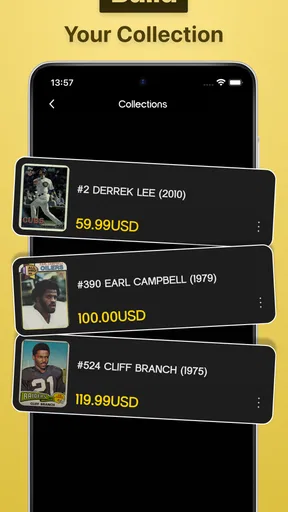
For a parent helping a child organize duplicates, the same approach makes the activity manageable: identify a card, read its details together, and decide whether it belongs in a keep, trade, or research pile. The app can make the first look less intimidating, while the adult can explain why rarity and price are not the same thing. A rare card may still have limited demand, and a popular player’s card is not automatically a valuable one.
Where a scanner helps—and where it doesn’t
Compared with searching card names manually, scanning can save effort when I don’t know the set or the exact wording to type. It is also more convenient than asking a collector group to identify every card in a mixed pile. But a specialist price guide or a careful search of completed marketplace sales may be better when I need to verify a specific parallel, assess condition, or set a realistic selling price. Those methods take more work, but they can answer questions a quick identification cannot settle on its own.
I’d also be selective about when to use the app. It makes sense for someone who enjoys collecting across sports, has inherited cards, or wants a faster way to learn what is in a box. It is less compelling for a person who only needs a formal appraisal, already tracks every card in a detailed spreadsheet, or is buying an expensive card and needs confidence beyond an estimate. In those cases, direct verification from a knowledgeable dealer or reliable sales records is the safer route.
Common points of confusion
If a scan returns a card that looks nearly right, I would not assume the app has found the exact issue. I’d compare the visible details on the result with the printed card and try again with a clearer image if needed. A quick second look is a better response than immediately accepting a surprising rarity label or price. When the match remains uncertain, manual searching by the card’s printed details is a sensible backup.
It is also easy to confuse an estimated value with a guaranteed offer. The number can help me decide whether further research is worthwhile, but it does not mean a buyer will pay that amount or that a sale will happen quickly. Similarly, an in-app purchase is separate from the fact that the app is free to download; I’d review the item and its cost before agreeing to a purchase rather than assuming every tool is included.
Another practical question is whether this suits someone who knows very little about cards. I think it can, because scanning gives a newcomer a concrete place to begin, while the library and glossary described in the app can help make unfamiliar terms less daunting. Still, a beginner should treat results as clues, not lessons in themselves: learning how a set, edition, or card condition affects value takes more than a single scan.
Community features call for ordinary care
The ability to connect with collectors and list cards can be useful once I know what I own, especially for duplicates that I would rather trade than store. I would keep identification and negotiation as separate steps: first verify the card and agree on its condition, then decide whether a proposed exchange makes sense. Clear photos and precise descriptions are helpful in any private transaction, and I would avoid sharing personal information unnecessarily.
The app presents its trading space as secure, but I would still use the same judgement I’d use on any platform where collectors meet. Before sending a card or agreeing to a deal, confirm the other person’s terms and the exact item being exchanged. A built-in community can make finding interested collectors easier; it cannot remove the need to inspect an offer carefully.
Who will get the most from it
I’d recommend trying the scanner if you want a low-friction way to make sense of a mixed collection and you’re comfortable checking important results elsewhere. It is especially approachable for a first-time collector who wants card details before diving into specialist terminology. Someone already experienced may still appreciate the faster identification step, but is more likely to use it alongside their own market research than as a replacement for it.
If you collect only one narrow set and already know each card by sight, the scanning step may add little to your routine. And if your priority is a definitive appraisal, immediate cash offer, or guaranteed sale price, this is not the tool I’d rely on alone. Its value is in helping me decide what deserves attention, not making every collecting decision for me.
Final Thoughts
After spending some quality time with the Sports Card Value Identifier, I can confidently say it’s a must-have for any sports card collector. Its blend of modern technology with community features makes it more than just a valuation tool; it’s a comprehensive platform for collectors.
Whether you're looking to assess your collection's worth, engage with other enthusiasts, or learn more about the hobby, this app has you covered. It’s made my card-collecting journey a lot more engaging and a whole lot easier to manage. So, if you haven't checked it out yet, I'd recommend giving it a shot. You might just find that hidden gem in your collection!
My strongest advice is to begin with one card whose details you can read clearly, then use the result to learn what to check on the next one. That simple routine keeps the first session reassuring and gives you a better basis for judging whether the scanner fits your collection. I see it as a handy companion for discovery and sorting, with careful verification still part of any serious buying or selling decision.
Pros
- Accurate card valuation with up-to-date database.
- User-friendly interface for easy navigation.
- Supports a wide range of sports card types.
- Quick scanning feature saves time.
- Regular updates with new card releases.
Cons
- Requires internet for full functionality.
- Limited offline features.
- Subscription needed for advanced tools.
- Occasional scanning errors with rare cards.
- Ads can be intrusive in free version.
FAQs for Sports Card Value Identifier
What is the Sports Card Value Identifier app?
The Sports Card Value Identifier app is a tool designed to help users determine the value of their sports card collections. By using image recognition technology and a comprehensive database, it quickly evaluates the market worth of individual cards, providing collectors with up-to-date valuations and trends.
How does the app determine the value of sports cards?
The app uses a combination of image recognition and access to a vast database of recent sales and market trends to assess card values. Users simply scan their cards using their device's camera, and the app matches the card with its database entries to provide an estimated market value.
Is the app suitable for beginners in sports card collecting?
Yes, the Sports Card Value Identifier app is user-friendly and perfect for beginners. It offers easy navigation and clear instructions on how to scan and evaluate cards. Additionally, it provides educational resources and tips for new collectors looking to understand the intricacies of card valuation.
Does the app require an internet connection to function?
Yes, an internet connection is required for the app to access its database and provide accurate valuations. The app relies on real-time data from online marketplaces and recent sales to ensure the information is current and reliable, making connectivity essential for its operation.
Are there any in-app purchases or subscriptions required?
The app offers a free version with basic features, but there are also premium options available. These may include more detailed analytics, access to expert evaluations, and ad-free usage. Subscriptions are optional and designed to enhance the user experience for those seeking more in-depth information.


